
How the Kidneys Affect Human Energy and Aging
Ever feel utterly drained, even after loads of caffeine? Perhaps little things are shifting – a twinge here, general blahs there, or simply not recovering like before. New York life often gets the rap for intensity, with work and stress being the usual suspects. But consider this: could your kidneys be quietly contributing to how you feel?
Kidneys, both old healing traditions and today’s doctors agree, matter immensely. More than just cleaning things up, these organs control what happens inside you, influencing how energetic you feel, whether food digests well, and even how quickly time passes.
Patients at Open Care Community have often reported feeling drained and tense, and struggling with conception. We look at fatigue through both modern medicine and ancient Chinese practices to truly grasp what affects someone’s well-being, then find natural paths back to feeling strong.
What Do the Kidneys Do Besides Remove Waste?
You probably remember being taught that kidneys clean blood, making urine, a vital job, certainly. However, this represents only a beginning.
Think of your kidneys as incredibly busy workshops – they handle essential jobs to keep you going:
These liquids keep everything flowing right within you, water, salts like sodium alongside potassium, even how acidic or basic things are.
Your body makes substances – like renin – which contribute to keeping blood pressure stable.
Sunshine helps your body make vitamin D, a key player in getting calcium where it needs to go, building strong bones.
Kidneys craft a hormone, erythropoietin, that tells bone marrow to generate red blood cells, those vital oxygen transporters.
In Traditional Chinese Medicine, kidneys – think of them as a core life force – fuel well-being alongside lifespan and its quality. They hold Jing, an inherited energy impacting development, reproduction, and how we age. Consider the kidneys to be a built-in power supply; protecting this reserve bolsters lasting health.
Ever curious about what Traditional Chinese Medicine does for your kidneys? We’ve got skilled professionals ready to craft a wellness strategy just for you. Book a plant-based consultation today.
How Is Kidney Function Related to Energy Levels?
Persistent tiredness might stem from a lack of vitality in your kidneys.
Traditional Chinese Medicine views daily vitality as Qi, think of it as your inner spark. Your kidneys? They’re key to building that spark throughout your being. When kidney energy dips, expect exhaustion, dampened spirits, and trouble getting going.
Turns out, a really old concept echoes in how we treat health today, specifically, those little adrenal glands. Perched atop your kidneys, they’re surprisingly powerful, kicking into gear when life gets stressful by making things such as cortisol or adrenaline. Long-lasting stress can exhaust you, a state some call “adrenal fatigue.” Interestingly, this feels a lot like how traditional Chinese medicine understands weakened kidney energy. We see both as connected: a worn-out reaction to pressure built upon already low reserves.
If your kidneys feel worn out, you might notice things like being often tired, lower back pain, frequent urination, especially at night, or a general sense of coldness. These could signal low kidney reserves:
Dragging tiredness, especially when the day wears on
Aching lower back, sometimes alongside troublesome knees
Hands and feet feel uncomfortably chilled, even when those you’re surrounded by don’t have cold hands/feet. A sensitivity to cool temperatures lingers there
Reduced libido
You might find yourself going to the bathroom more often, particularly when you should be sleeping
That persistent, low-pitched ringing is called tinnitus. It feels like a noise inside your head, even when there isn’t one.
Feeling fuzzy-headed, like thoughts slip away? Or perhaps remembering things feels harder these days
How Does Kidney Function Naturally Change with Age?
As we age, our bodies shift; it’s simply how things work. Kidneys aren’t immune; they gradually lose some ability to filter blood, because the tiny filters inside them dwindle. Consequently, older people sometimes struggle to keep fluid levels balanced.
Traditional Chinese Medicine views life force as Jing – a limited inheritance we receive at birth. Life wears us down – work, fun, making things, even just coping. It slowly takes from our reserves. Push too hard, skip sleep or good food, and those reserves vanish faster, meaning we age more quickly.
Can things simply get worse? Perhaps not. Though halting age isn't possible, you might ease the slowdown of kidney vitality. Active living, food, and methods such as acupuncture can sustain core energy while growing older.
As we get older, can anything help keep our kidneys working well?
You won’t halt getting older, however, you can look after your kidneys. Drink plenty of water; manage blood pressure alongside blood sugar; think carefully before taking pain medication; eat well, then get sufficient sleep – these choices support kidney health. Traditional Chinese Medicine suggests preserving vital energy through less stress, gentle exercise, plus avoiding constant exhaustion to slow down age- related changes.
What Is the Role of the Kidneys in Long-Term Health and Fertility?
Think of your kidneys as a core reserve; they really shape how well you live over time. They influence whether you can have children, the health they are born with, and determine how smoothly you get older.
Think of Jing as a life force, rooted in the kidneys. It fuels our ability to create new life, so keeping those kidneys happy matters a lot if having children is important to you. If a couple wants to start a family, whether by trying on their own or with help from fertility treatments, we begin by looking at, then bolstering, what traditional medicine calls “Kidney Jing.” Robust Jing means better quality eggs, sperm, and a thriving environment for implantation.
Life throws curveballs – relentless work, never enough rest, hardship, and ongoing strain. Think of these as draining your energy reserves. When you deplete those reserves faster than you replenish them through nourishment and downtime, signs appear, notably, showing age before your time:
Hair turning white too soon, or shedding, it happens.
Brittle bones (osteoporosis)
Difficulty seeing or listening
Less desire alongside difficulty with intimacy
Holistic Ways to Support Kidney Health
Luckily, daily habits can bolster kidney vitality. Consider these approaches:
Traditional Chinese Medicine suggests mirroring what your body needs, eating foods similar to what ails you. For kidney health, folks turn to darker foods, those harvested during colder months. Think black beans, walnuts, seaweed, plus dark berries, even black sesame seeds. Good bone broth supports vital energy; it’s thought to nourish deep reserves. Likewise, keeping up fluids with pure water, alongside watching salt levels, matters too.
Needling, done by our trained practitioners, communicates energetic messages to your body. They put tiny needles in specific spots linked to your kidneys, aiming to boost energy reserves, feed essential life force, and then fix what’s making you tired or unwell.
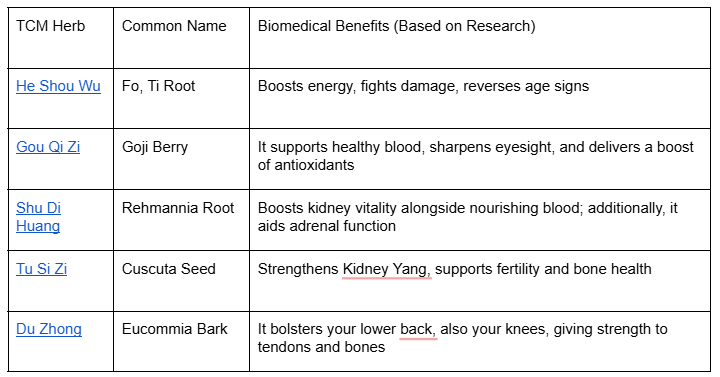
Kidney health finds a gentle boost through Chinese herbalism. A skilled practitioner crafts unique blends from herbs celebrated for their restorative power.
Nourish your kidneys with custom acupuncture, too. Wherever you find yourself on this journey, we’ll be alongside you. Explore What We Offer.
Warning Signs of Kidney Imbalance
Traditional Chinese Medicine excels at spotting imbalances while they’re still minor, before a full-blown illness develops. While conventional doctors rely on lab work to check how well kidneys filter waste, a TCM expert notices slight shifts in Kidney vitality by carefully observing the patient and using their expertise.
Beyond what we discussed, also check for:
Shadows beneath your eyes, a sign of late nights, perhaps, or just feeling worn down. They can make you look tired, though you might not be. Sometimes a little rest helps, but often they stick around
Ankles looking swollen, maybe a bit puffy
Weakening bones, think osteopenia or osteoporosis
A feeling deep down, unease, worry. It sticks with you, a quiet dread
Feeling off? A thorough checkup could help. If you notice worrisome shifts, trouble with urination, swelling, or lasting tiredness, tell your doctor right away to explore potential health issues. Often, a blend of approaches works well; think lifestyle adjustments alongside standard medical tests.
Acupuncture can give a boost to kidney function. It works by gently nudging the body’s natural healing abilities, sort of like giving those kidneys a little pep talk. Instead of directly ‘fixing’ things, acupuncture helps unlock stored energy within, energy vital for keeping the kidneys going strong. Think of it as encouraging what they already know how to do.
Needles used in acupuncture jumpstart your body’s own repair systems. To support the kidneys, practitioners select precise spots that send messages through nerves, helping restore balance.
To build Kidney energy, practitioners often use two spots: Taixi, tucked away behind your inner ankle, and Shenshu, found on your lower back near where your kidneys sit. They’re famous for really strengthening the Kidney system. Unlike a fast boost, acupuncture tackles what causes tiredness; it rebuilds your core energy stores.
People experience things differently, yet often report feeling more energetic, sleeping better, or simply an improvement in how they feel, even early on. Deeper, long-term benefits usually emerge as treatment continues.
Dragging a bit? Perhaps we can figure it out. Come by our office in Brooklyn, it’s right downtown. Book Now.
Kidney Energy and Emotional Health
Traditional Chinese Medicine sees a tight bond between how you feel inside and your body’s well- being. Certain feelings connect to particular organs – notably, fear relates directly to the Kidneys.
That jolt when something startles you, the quickened pulse, shaky legs, it’s your system preparing for action. Adrenal glands manage this surge. However, consistently feeling afraid, whether from work pressures, money troubles, or old wounds, drains your energy reserves over time.
If your inner reserves feel drained, perhaps a bit of shyness, worry, or self-doubt creeps in. Therefore, bolstering those reserves, through things like mindful practices, plant medicine, or even just better habits, can really shift how you handle tough feelings and keep everything balanced.
As we get older, what habits keep our kidneys healthy?
Think of your kidneys as a savings account for well-being – protecting them now pays off later. Fortunately, small, steady changes can make a real difference.
Focus on hydrating with room-temperature or hot water. This is a gentle way to support your system and ensure you stay properly fueled throughout the day.
Aim for seven to nine hours of quality sleep each night. This is your body’s "power-up" phase, where it repairs tissue and restores energy. Try to go to bed and wake up at the same time most nights. A steady rhythm helps regulate your internal clock, making it easier to fall asleep and wake up naturally.
Boost your sleep quality by ditching the screens. Avoid using phones, tablets, or TVs for at least 30 minutes before bed to help your brain wind down.
Don’t glorify being constantly busy; it depletes vital energy according to traditional Chinese medicine. Instead, find a rhythm that includes rest; listen when your body signals it needs a pause. Respecting those cues preserves well-being.
Qigong, Tai Chi – these practices work to develop and then move your life force. A soft spinal twist, perhaps a warm rub on your lower back, can nudge kidney energy awake too.
If you want to protect your kidney energy for the long term, we can help you start where you are. Join Our Community.
What Is the Best Next Step?
Feeling connected to this piece? A thorough evaluation comes next. It might involve:
A checkup with your usual doctor includes blood tests to see how well your kidneys are working.
Scheduling a visit with Open Care Community for a full TCM assessment.
We’ll begin by chatting about your well-being, your past health experiences, specifically. Then comes a classic check-up: observing your tongue, taking your pulse, and discovering what feels off balance for you. Following this, we create a personal path toward renewed strength, potentially using needles, plant-based remedies, alongside suggestions for daily living.
Don't just resign yourself to feeling worn down or growing old before your time. Bolster your kidney function; it’s a way to get back your spark, forging lasting vitality.
Get started restoring your energy and vitality. Book Your Appointment Now.
FAQs
1. How do the kidneys affect energy levels?
Healthy kidneys support fluid balance, hormone regulation, and red blood cell production, all of which influence energy and stamina.
2. What is the Kidney’s role in aging in Chinese medicine?
In TCM, the Kidneys store Jing (essence), which governs growth, reproduction, and aging. Declining Jing is associated with aging signs.
3. What are signs of weak kidney energy in TCM?
Common signs include fatigue, lower back weakness, poor stress tolerance, hair thinning, and feeling cold easily.
4. Can supporting kidney health slow aging?
Supporting kidney health may help maintain energy, bone strength, cognitive clarity, and hormonal balance, all linked to healthy aging.
5. How can I support my kidneys naturally?
Helpful habits include:
Staying hydrated
Managing stress
Getting enough sleep
Eating mineral-rich, balanced foods
Avoiding excessive salt and processed foods
6. Which foods are considered kidney-supportive in TCM?
TCM often highlights black beans, sesame seeds, walnuts, bone broths, and dark leafy greens as supportive foods.
