Lymphatic Drainage Massage in Brooklyn: Benefits & Technique
What Is Lymphatic Drainage Massage and How Can It Support Wellness in Brooklyn?
Feeling sluggish, puffy, or just generally “off” can sometimes signal that the lymphatic system isn’t functioning optimally. While most health conversations focus on cardiovascular or muscular systems, there is a quieter yet essential network beneath the skin that acts as the body’s internal filtration system. When this system functions efficiently, the body often feels lighter and more resilient; when it slows, symptoms may include brain fog, bloating, and a sense of heaviness.
At Open Care Community in downtown Brooklyn, we believe healthcare should be accessible, respectful, and centered on personal agency. Lymphatic Drainage Massage (LDM) is a gentle yet effective bodywork technique that can support athletes after intense training, individuals navigating fertility care, or people managing post-surgical swelling.
This guide explains how lymphatic drainage works, why it matters for whole-body wellness, and how to access affordable care at our Court Street clinic.
What is the Lymphatic System and Why is It Important?
It is important to understand the therapeutic principles of massage, but first, it helps to understand the system it works on. The lymphatic system is a complex system of tissues, vessels, and organs that transport a clear fluid called lymph back into the bloodstream.
What are the lymphatic system's functions during health?
The lymphatic system is sometimes compared to the sanitation department of the body. Its major responsibilities are:
Fluid Balance: Collecting excess interstitial fluid and returning it to the bloodstream.
Immune Support: Producing and transporting lymphocytes that help defend against infection.
Waste Removal: Filtering cellular waste, debris, and pathogens through lymph nodes.
What is the difference between the Lymphatic and the Circulatory System?
The lymphatic system does not have its own pump, unlike the heart, which is actively pumping the blood; instead relying on movement, breathing, and muscle contractions to move fluid. A sedentary lifestyle, chronic stress, or postoperative recovery can, therefore, make this pump-less system ineffective.
The effects of a stagnant lymph flow
Signs that lymph flow may be sluggish include:
Chronic facial, ankle, or hand puffiness or edema
Chronic fatigue or feeling of heaviness
Mental fog and lack of clarity
Recurrent infections of the upper respiratory tract or weakened immunity
Dull or congested-looking skin
Digestive discomfort and bloating
What Is Lymphatic Drainage Massage and How Does It Work?
Lymphatic Drainage Massage (also known as Manual Lymphatic Drainage or MLD) is a non-invasive therapy developed to stimulate lymph circulation.
What Techniques Are Used in Manual Lymphatic Drainage?
Unlike traditional methods in massage, which are focused on musculature, LDM is focused on superficial and cutaneous layers of tissue containing lymph vessels. Practitioners use extremely light pressure combined with slow, rhythmic movements designed to guide lymph toward nearby lymph nodes for filtration.
How Does Lymphatic Drainage Compare to Other Massage Modalities?
Deep Tissue: Used to press on muscular knots and chronic tension.
Swedish: Circulatory stimulation and relaxation are emphasized.
Lymphatic Drainage: Done using a method of stretching the skin with an intensity of pressure almost equal to that of the nickel; this approach is deeply calming and often induces a parasympathetic “rest and digest” response.
Is Lymphatic Drainage Massage Safe?
LDM is very safe and useful to most people. However, it should not be used in active infections, thrombotic (e.g., DVT) disorders, congestive heart failure, or some malignancies. According to Harvard Health, a thorough health history is always reviewed to ensure this therapy is appropriate for you.
Potential Benefits of Lymphatic Drainage Massage
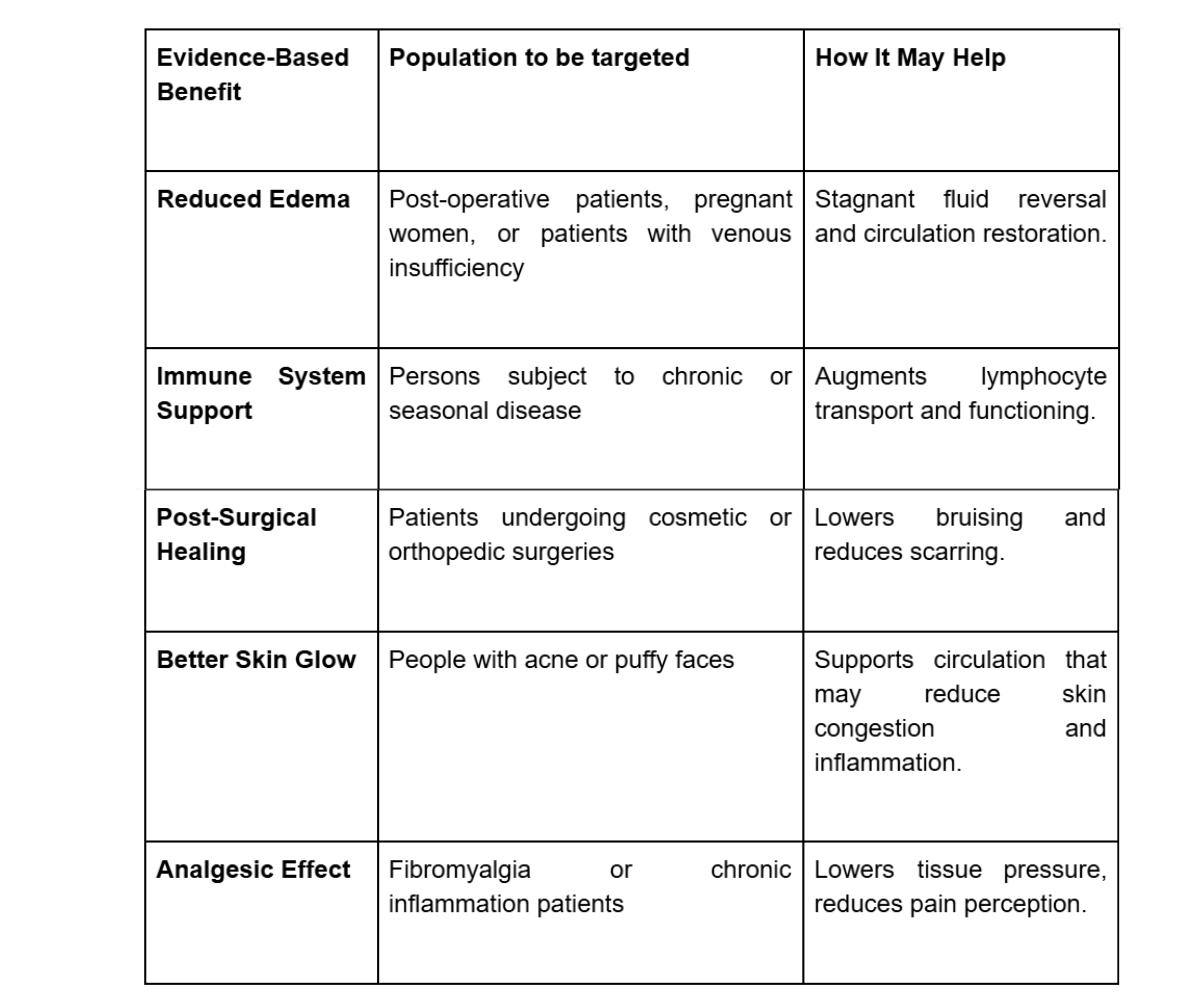
Does it help in muscle recovery?
Yes. It can be especially helpful for athletes and active individuals in Brooklyn. It can reduce delayed-onset muscle soreness and hasten recovery by accelerating the elimination of metabolic waste like lactic acid.
Reasons to Think of a Lymphatic Drainage Massage in Brooklyn
Brooklyn is a fast-paced environment where the daily grind subjects the body to great environmental and physical stressors.
What makes the Open Care Community approach different?
Lymphatic massage is often sold as a luxury spa service in NYC. We view bodywork as an essential part of everyday healthcare. We offer an ADA-accessible, non-judgmental care environment. We meet clients at their place of need: whether it is sports-medicine help or hormonal bloating from an IVF process.
Can Lymphatic Drainage Massage Be Combined With Acupuncture?
Yes. Stagnation of Qi leads to the impairment of the movement of energy and lymph. Combining lymphatic drainage with acupuncture may support both physical circulation and energetic balance.
Practical Information and Aftercare
How Often Should You Receive Lymphatic Drainage Massage?
Wellness/Immune Health: Once a month is great for most.
Post-Operative Recovery: Two or three sessions per week during the first two weeks.
Athletes: A monthly break during high-training periods.
How to support the Lymphatic System at home?
Hydration: Adequate water intake helps keep lymph fluid moving smoothly.
Dry Brushing: Using a natural-bristle brush towards the heart before showering.
Movement: A ten-minute walk or rebounding involves the muscle contractions needed to move lymph.
Deep Breathing: Deep breathing helps stimulate lymph flow through the abdomen.
Booking Your Session in Brooklyn
You don’t need a high-priced spa or a clinical hospital setting to receive effective care.Open Care Community is located at 44 Court Street, Suite 1000, in the center of Brooklyn.
Sliding Scale: We offer a trust-basedsliding scale of $50-$90 for community acupuncture, gua sha or cupping sessions. 60 minute massage therapy sessions are set at an affordable fixed rate. Check our website for the current price.
Expertise: Our practitioners are trained in both Western anatomy and Eastern medical frameworks.
Accessibility: Accessible via nearly all subway lines (R, 2, 3, 4, 5, A, C, F).
Ready to Feel Lighter and More Balanced?
Book a Bodywork Appointment Here
