
What Is Pericardium 6 and Why Is It a Powerful Acupuncture Point for Nausea and Anxiety?
If you've had that quick rush of sickness right before something major, or noticed your chest clenching up with stress, you're aware how messy those moments get. These sensations hit hard sometimes, like they won’t let go. When it feels like advice is everywhere, but listening is rare, finding supportive ways to feel more in control can make a real difference.
In traditional Chinese healing, certain spots on the body help tackle particular discomforts. One point that often stands out (both in traditional practice and modern research) is called P6.
You may have even tried it without realising! Motion sickness wristbands are designed to stimulate this exact point.
What even is P6? How come this tiny spot on your arm can settle a queasy gut while quieting racing thoughts?
Here's a peek into that standout acupuncture spot. Check out what it does today, and how New Yorkers are using it to feel better. At Open Care Community, everyone gets clear info so they can understand their health more. We focus on listening first, then exploring these time-tested practices together. Instead of guessing, let’s break down how this one point fits into real-life wellbeing.
What exactly is Pericardium 6 (P6) or Neiguan Point?
Pericardium 6 sits along a major channel in your body. This pathway is traditionally described as carrying qi, or energy, throughout the body. Called Neiguan in traditional Chinese healing, it’s known for affecting areas like the chest, heart, or digestive zone. Its significance lies in how strongly it’s thought to influence these regions.
Where Is Pericardium 6 Located on the Body?
One reason P6 is so well known is that it’s relatively easy to locate.
Stretch your arm forward, fingers loose, skin side skyward.
Use your opposite hand to rest the index, middle, and ring fingers on your inner wrist begin near the fold where skin meets hand.
The P7 spot sits under your pointer finger, directly in the centre of the inner forearm, tucked between two thick cords you’ll notice when pressing lightly. Keeping your finger between the two tendons, slide your finger directly towards the elbow about one or two inches until you feel a depression. You’re now touching P6.
If you push down hard, maybe an ache, a throb, or a mild ache, tingling, or sensitivity may appear. This often indicates you’ve found the correct location.
What Does “Neiguan” Mean in Chinese Medicine?
The name Neiguan (nèiguān / 內關) translates to "Inner Pass" or "Inner Gate."
This name paints a clear picture. People see it as an entrance opening straight into the body’s core workings, especially the chest area, known as the upper jiao. Imagine it like a doorway letting out trapped tension, calming internal agitation, while reconnecting the top zone of the heart and thoughts with the center section, where digestion and movement are supported.
What Meridian Is P6 a Part Of and Why Does That Matter?
P6 sits right on the Pericardium pathway. In traditional Chinese medicine, this area isn’t only about the actual membrane surrounding the heart; instead, it's seen as a guard for the heart
It works by protecting the Heart, that part where your thoughts, soul, and awareness live, according to traditional Chinese medicine, when you face intense emotional strain or sudden inner turmoil.
Whenever the Pericardium works well, emotions stay steady, and you feel safe inside. But if stress, shock, or constant worry hits too hard, that inner door might get stuck, contributing to symptoms such as anxiety, disrupted sleep, chest tightness, or nausea. Stimulating P6 is often described as helping release and ease tension, and help the heart settle back into balance.
Why Is Pericardium 6 Used for Treating Nausea?
P6 became famous in Western countries because it quickly helps ease nausea and vomiting. Because of how reliable it seems, researchers have looked into this acupoint more than many others lately.
What Is the Clinical Evidence That P6 Reduces Nausea?
The evidence is well established. A substantial body of research backed by the NIH supports the use of P6 stimulation to stop or ease nausea and sickness from different triggers. Hospitals often turn to it when integrating East Asian medicine into treatment applications.
How Does P6 Stimulate the Nervous System to Reduce Nausea and Vomiting?
This is the spot where old knowledge blends with today's body science. Right above the median nerve lies the P6 point.
Stimulating this nerve, say, with an acupressure band or even better, a thin acupuncture needle, sends a signal through the nerve to the brainstem. That impulse gently influences the brain’s vomiting control center, especially the area known as the chemoreceptor trigger zone.
On top of that, this affects the automatic part of your nerves, slowing down the stomach’s shaky rhythm tied to feeling queasy. Basically, it tells the body’s nausea response to settle, kind of like hitting pause on an alert.
Can Pericardium 6 Help with Morning Sickness, Motion Sickness, or Chemoinduced Nausea?
Yes. P6 is widely used across many different settings since it targets the core system that controls queasiness, and it helps with nearly every type.
P6 works as a tested approach for:
PONV is commonly treated with meds given before or right after procedures to cut down on queasiness from anesthesia.
Morning sickness: Acupuncture often uses this spot because it’s gentle, plus many expectant moms find relief from queasiness here.
Cancer therapy often causes queasiness; this helps ease those symptoms, so people feel better during care. While it isn’t a cure, many people find it helps make symptoms more manageable.
Motion sickness: People often use it this way through wristbands that press on certain spots when traveling.
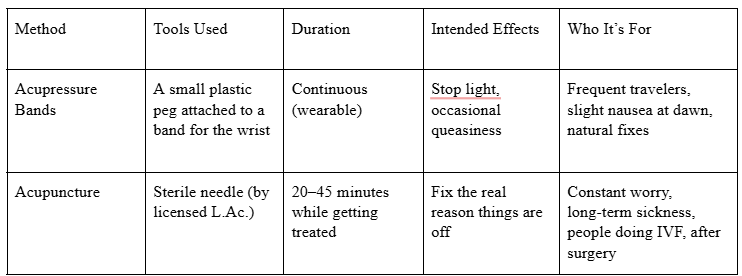
Is Self-Application of P6 Effective Using Acupressure Bands or Wristbands?Some folks find them helpful. These wristbands press gently on a spot called P6 all the time. That steady touch might cut down queasiness tied to motion or first-trimester pregnancy discomfort. It can be a convenient and accessible option.Still, when problems are serious or stick around too long, gentle pressure may not be sufficient on its own, so that’s when needle therapy steps in.
How Does Pericardium 6 Help Relieve Anxiety and Emotional Distress?
Though best known for easing nausea, this point also deeply affects mood. That’s when it earns its name, Neiguan, or “Inner Pass.”
What Role Does the Pericardium Channel Play in Emotional Health According to TCM?
When life hits hard with shock or deep stress, your Pericardium steps in and guards the Heart (Shen) by soaking up emotional blows. Known as the "Heart Protector," this channel bears the brunt so your core spirit stays safe.
Yet if pressure sticks around too long, that pathway might clog up or narrow down. The entrance jams shut. You feel it right away, familiar signs such as chest tightness or racing, repetitive thoughts, heartbeat racing outta nowhere, something blocking your throat, sleep bouncing off walls instead of settling in.
Can Activating P6 Regulate Heart Rhythm, Calm Palpitations, or Reduce Panic?
For many patients, yes. P6’s the main spot folks use to open the chest and settle the spirit. Stimulating this point allows the practitioner to help release built-up tension and tightness.
This might calm your heart when it races from stress, while also loosening that heavy chest feeling during panic. Breathing gets deeper, more complete, thanks to this shift.
What Do Scientific Studies Say About P6 and the Parasympathetic Nervous System?
Looking at it from biomedicine, P6's calming action ties into how nerves work yet this connection runs deep through body signals.
We’ve got two key nervous system modes, one kicks in for stress reactions, while the other handles calm, recovery states. Ongoing anxiety is often associated with staying stuck in that high-alert mode instead of shifting back to a relaxed state.
Poking point P6 seems to kickstart the rest mode in your nerves. Instead of speeding up, your body starts slowing down, thanks to this calming signal. As a result, your heartbeat drops, stress chemicals fade, while deep ease settles in that may continue after the session ends.
Is P6 Used in Treatments for PTSD, Insomnia, or High-Stress Conditions?
Yep. Because of everything mentioned, P6 plays a key role in acupuncture when dealing with intense stress. When people can’t sleep often ‘cause their thoughts won’t shut off or folks healing from trauma, this point is often used to help patients feel more grounded, ease lingering emotional tension, letting the mind finally relax as evening comes.
What if you could grab a moment of peace right now?
Curious about calming acupuncture in Brooklyn? Check out our low-cost group visits at Open Care Community.
What’s the Difference Between Acupressure and Acupuncture at Pericardium 6?
Pressing P6 yourself or using a wristband helps, yet seeing a certified acupuncturist takes it way further. Though DIY methods work okay, professional treatment can offer deeper and more sustained support. Trying at home isn’t bad; still, expert care makes a real difference.
How Do Acupuncturists Activate Pericardium 6 Differently Than Acupressure Bands?
A trained acupuncturist carefully places a clean, superthin needle into specific spots. This tweak aims to trigger de qi, a special feeling like mild soreness, heat, or a quick spark, showing the body’s internal energy starts moving.
This poking sends a sharper, more direct message to your nerves compared to the dull squeeze of a strap, like tapping at the door versus sliding the right key into the lock.
When Should You See a Licensed Acupuncturist for P6 Treatment?
Acupressure bands work well to stop light, expected issues, and nausea from travel.
Check in with a certified acupuncturist if you’re dealing with issues like:
Long-term issues, such as constant worry or trouble sleeping
Intense, such as vomiting from chemo or sudden fear episodes
Complications such as reactions from fertility treatmentsAn acupuncturist looks beyond the spot they focus on you as a whole. Instead of only tackling the surface issue, they weave P6 into a tailored approach that targets what’s really causing your body to feel off.
What Are the Risks or Contraindications for Stimulating Pericardium 6?
P6’s known for being both safe and reliable when it comes to acupressure spots. If done right by someone properly trained, side effects are uncommon. A slight sting could happen, or maybe just a faint mark that fades quick yet serious issues almost never show.
Can Pericardium 6 Be Used as Part of Holistic Therapy Plans?
Sure can! In Chinese healing, every spot’s connected & P6 works well with others.
How Is P6 Paired with Other Acupuncture Points in Chinese Medicine?
A practitioner at Open Care Community picks needles just for how you’re feeling. They’ll match spots on your body to fit what’s going on inside.
When it comes to nausea, a practitioner may combine P6 along with Zusanli, also known as Stomach 36, to support blood nourishment and calm mental restlessness.
When dealing with stress, a practitioner may combine P6 along with Heart 7, also called Shenmen, to help soothe the mind more effectively.
When treating sleep issues, P6 could go together with Spleen 6, also called Sanyinjiao, to help boost blood while calming mental restlessness.
What Other Tools Might Enhance the Effect of P6, Like Herbal Formulas or Cupping?
Your practitioner could mention extra options to go along with your care. If you’ve got lasting anxiety plus a tight chest, they might try cupping or gua sha on your upper back, helping ease muscle strain and stuck energy flow. They could whip up a special mix of herbs, maybe ones said to settle the mind or keep digestion running smoothly, to carry on helping your body even once you’re out the door.
Is Pericardium 6 Used in Fertility and IVF Acupuncture Protocols?
Yep, P6 really matters for people trying to get pregnant. Doing IVF or similar treatments? It’s tough and can be physically and emotionally demanding. That’s why we bring in P6 during these cycles:
Support nervous system regulation during high-stress periods. It helps your nerves settle during tough moments.
Handle unwanted reactions: Works really well against queasiness, stomach swelling, or low energy brought on by hormonal drugs.
What Should Patients Expect During a Pericardium 6 Inclusive Treatment?
When you show up for your session, we don’t focus on a single point in isolation. Instead, we’ll sit down together. Our chat will dig into how you’re feeling, what's bothering you, how stressed you’ve been, whether you’re sleeping well, or if your stomach's acting up, all without rushing. After that, kick back in a cozy seat inside our airy shared area. This therapy’s easy on you; many patients feel deeply relaxed, and some even fall asleep! Wondering if Pericardium 6 might fit your health routine? Schedule a herb check-in or acupuncture visit through Open Care Community.
What Do Patients Say About Using Pericardium 6 for Their Symptoms?
Though each person’s journey feels different, what folks share about P6-friendly care is often positive and sometimes pleasantly surprising. Still, most reactions tend to lean hopeful rather than doubtful.
Are There Real Patient Experiences for Nausea Relief or Anxiety Reduction?
Some folks mention they can breathe easy once we’ve done a session targeting P6 for stress. When it comes to people trying to conceive, many tell us this hour is when tension melts; some even notice their med-related queasiness isn’t as bad anymore.
People dealing with long-term nausea or upset digestion usually notice their belly starts to calm down just after lying on the exam bed. One moment it's tight, then suddenly it loosens up during the session. This shift tends to happen fast, sometimes quite quickly. Some describe it as tension melting away right there on the spot.
How Can You Work with an Acupuncturist to Track Your Progress with P6?
This is when paying attention turns into care. You’ll team up with your provider, expect some chats like, Was your rest better since we met? How often did stress hit, and how strong was it? Did queasiness fade for a single day…or stretch to three?
Your thoughts? That’s what helps us most. Because of them, we can tweak how things go, shifting focus so you keep heading where you want.
How Does a Community Acupuncture Model Support Holistic Anxiety Care?
Anxiety often feels lonely, shutting you off from others. But something like our setup at Open Care Community? It offers a sense of connection through shared healing spaces.
Being together in a peaceful place helps everyone feel more centered and connected, like we’re moving toward something similar. You’ve got company here. On top of that, prices shift based on what you can handle ($50–$90), so money doesn’t block your way to regular support, which usually matters when dealing with long-standing anxiety patterns..
How Can I Try Pericardium 6 Acupuncture in Brooklyn with an Open Care Community?
If nausea’s hitting hard, or your mind feels overwhelmed from everyday pressure, we’ve got your back because tough days don’t have to be faced alone.
What Should I Expect During My First Visit to an Open Care Community?
Your first trip here adds about 15 minutes just for a quiet chat face-to-face with one of our certified acupuncturists. Instead of rushing, we take time to hear everything about your health and what you're hoping to achieve. After that, the session starts in our calm group space, designed to meet accessibility standards, where you kick back in a cozy lounge chair.
Is Pericardium 6 Used in Community Sessions or Only Private Appointments?
Pericardium 6 works great for group treatments, sitting right on the forearm, simple to reach while you chill in your seat without changing clothes. Found this spot comes up often during our shared sessions because it tends to deliver solid results. Reaching it doesn’t take effort, plus patients respond well when we include it.
Can New Patients Request Specific Points Be Included in Their Visit?
For sure. Our goal is to help folks feel in charge of their care. In case this piece hits home, let your provider know, maybe toss out something like, “Been looking into Pericardium 6 for my stress lately, wondering if it could work for me.” That kind of heads up sparks real talk, which makes shaping your ideal approach way smoother.
How Do I Schedule an Appointment or Learn More About Sliding Scale Pricing?
Scheduling is straightforward; just pick your visit time online via our site. Since we use a flexible rate ($50–$90, plus a $15 first-time fee), there’s no income verification required. We count on you to choose a fair amount in that range. Everyone deserves care, so we’re focused on keeping it open and reachable.
Begin Your Wellness Journey today
If you’re dealing with stress, issues during pregnancy, or ongoing queasiness, hitting Pericardium 6 might just help kick things off. Come by Open Care Community in Brooklyn to check out Chinese healing methods in a chill space in a calm, supportive setting.
Find out what P6 acupressure does for queasiness or stress. Trusted help in Brooklyn through Open Care Community. Flexible pricing plus custom plans.
FAQ Schema Markup Suggestions:
Q: What is Pericardium 6?
A: P6, also known as Neiguan, sits on the inside of the forearm. This point is commonly used to help reduce nausea, support digestion, and calm anxious feelings, besides loosening up a tight chest; all thanks to zapping the median nerve so your nerves settle down.
Q: Can P6 help reduce nausea?
A: Yep. P6’s a top pick when it comes to easing queasiness, supported by a strong body of research. This spot helps calm upset stomachs brought on by car rides or travel, pregnancy-related discomfort, chemo side effects, and reactions after surgery from anesthetic drugs.
Q: How does Pericardium 6 treat anxiety?
A: In traditional Chinese healing, P6, known as the Inner Gate are said to ease pent-up emotions while soothing mental unrest. From a medical angle, this spot may help activate the body’s rest-and-digest response, slowing heart racing, curbing anxiety flares, or even quieting sudden jitters.
Q: Where is the Pericardium 6 point located?
A: You’ll spot P6 on the inside of your forearm. Put three fingers where your wrist crease starts. Right under your index finger, in the middle, nestled between the big tendons, that's the spot.
