
What Is Qi Stagnation and How Can You Naturally Treat It?
In Traditional Chinese Medicine, Qi stagnation refers to blocked or disrupted energy flow in the body. It is often associated with feelings of tension, low mood, or physical discomfort. Many people explore natural approaches such as movement, mindful breathing, dietary adjustments, and acupuncture to support smoother Qi flow. This guide explains Qi stagnation, common signs, and gentle ways to restore balance naturally.
Can Acupuncture Support Autoimmune Disease?
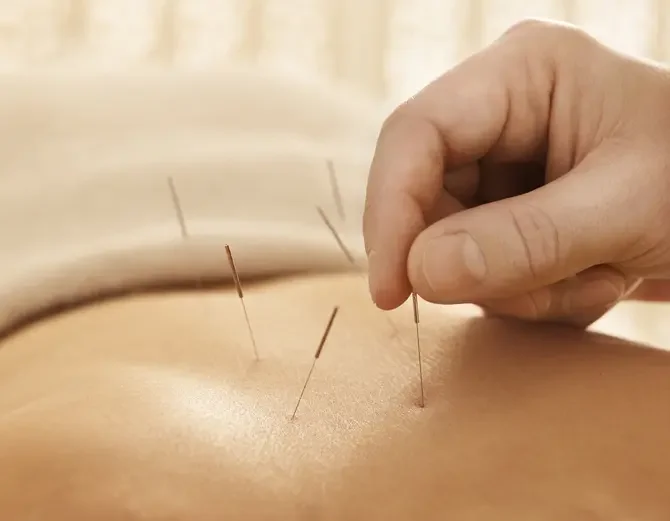
Autoimmune diseases can affect energy, pain levels, and overall quality of life. Some people explore acupuncture as a complementary approach to support symptom management and stress reduction. This article explains how acupuncture is viewed in Traditional Chinese Medicine, what research suggests, and how it may fit alongside conventional care.

How Can Chinese Herbal Medicine Help with Menstrual Cramps?
Menstrual cramps affect many women each month, leading some to explore natural relief options. Chinese herbal medicine has long been used to support menstrual health by promoting circulation, easing tension, and restoring balance in the body. This guide explores how these herbs are used, common formulas, and what to know before trying them.
How Does Acupuncture Relieve Sciatica and Nerve Pain Naturally?
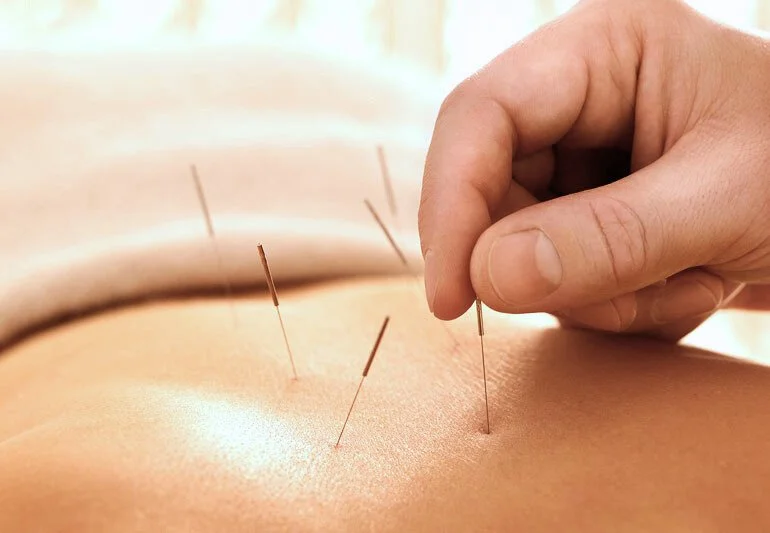
Sciatica and nerve pain can cause discomfort that affects daily life. Many people explore acupuncture as a natural, complementary approach to pain management. By stimulating specific points on the body, acupuncture is thought to support circulation, calm the nervous system, and encourage the body’s natural healing responses. This guide explains how acupuncture may help with sciatica, what sessions are like, and how it can fit into a broader care plan.
How the Kidneys Affect Human Energy and Aging
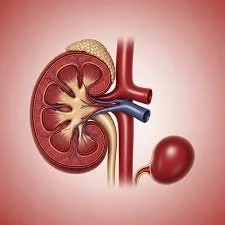
In Traditional Chinese Medicine (TCM) and modern physiology alike, the kidneys play a major role in energy, resilience, and the aging process. In TCM, the Kidneys store Jing (essence)—a foundational energy linked to growth, reproduction, and longevity. When kidney energy is strong, we feel vital and resilient; when depleted, fatigue, premature aging, and low stamina may appear. This article explores how the kidneys influence energy and aging, plus practical ways to support kidney health for long-term wellbeing.
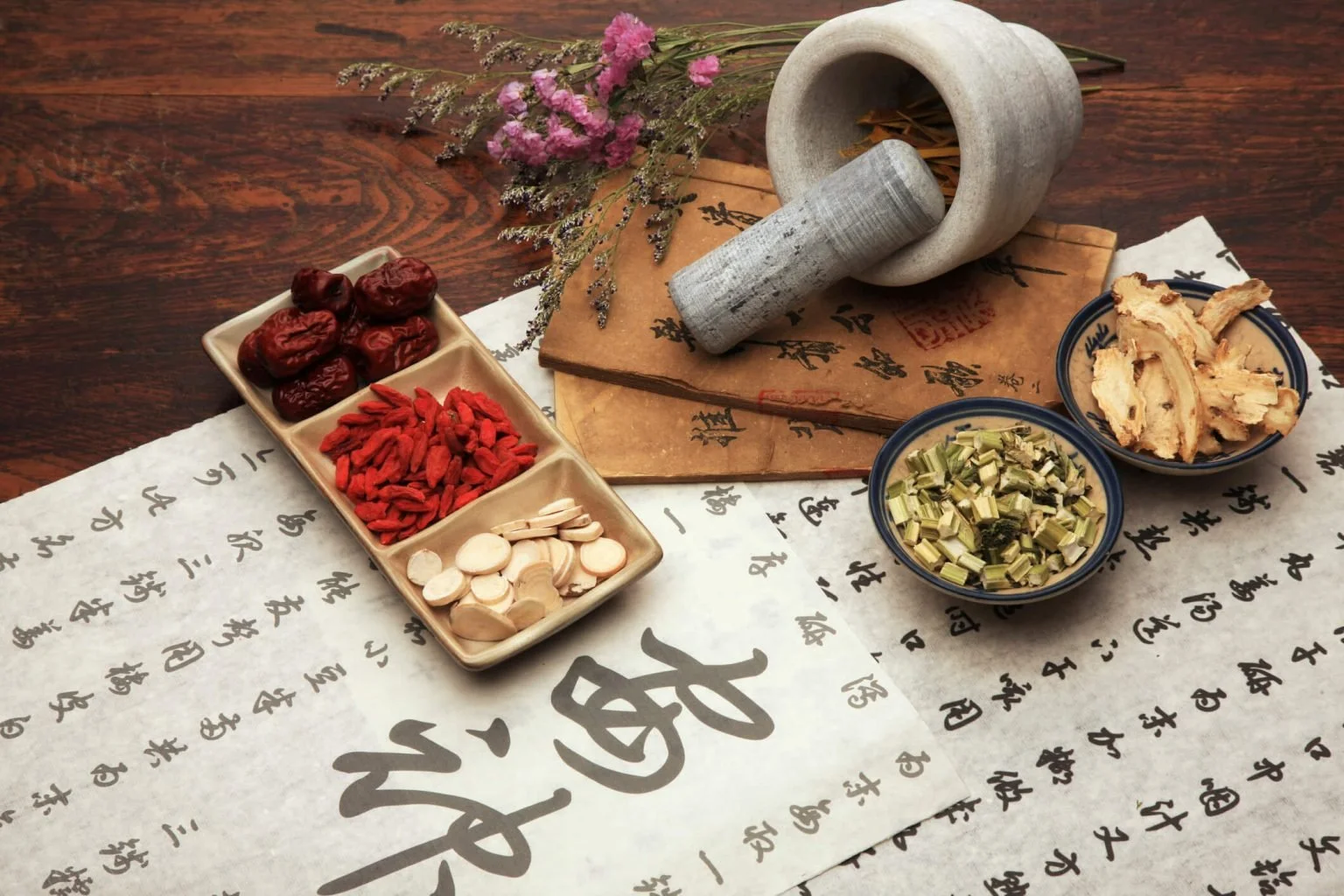
What does the heart mean in Chinese medicine?
In Traditional Chinese Medicine (TCM), the Heart is far more than a physical organ—it is considered the emperor of all organs. The Heart governs blood circulation, houses the Shen (mind and spirit), and plays a vital role in emotional balance, sleep quality, and mental clarity. When the Heart is balanced, we feel calm, focused, and joyful; when imbalanced, symptoms such as anxiety, insomnia, palpitations, or restlessness may appear. This article explores the deeper meaning of the Heart in Chinese medicine and how supporting it can improve both emotional and physical health.
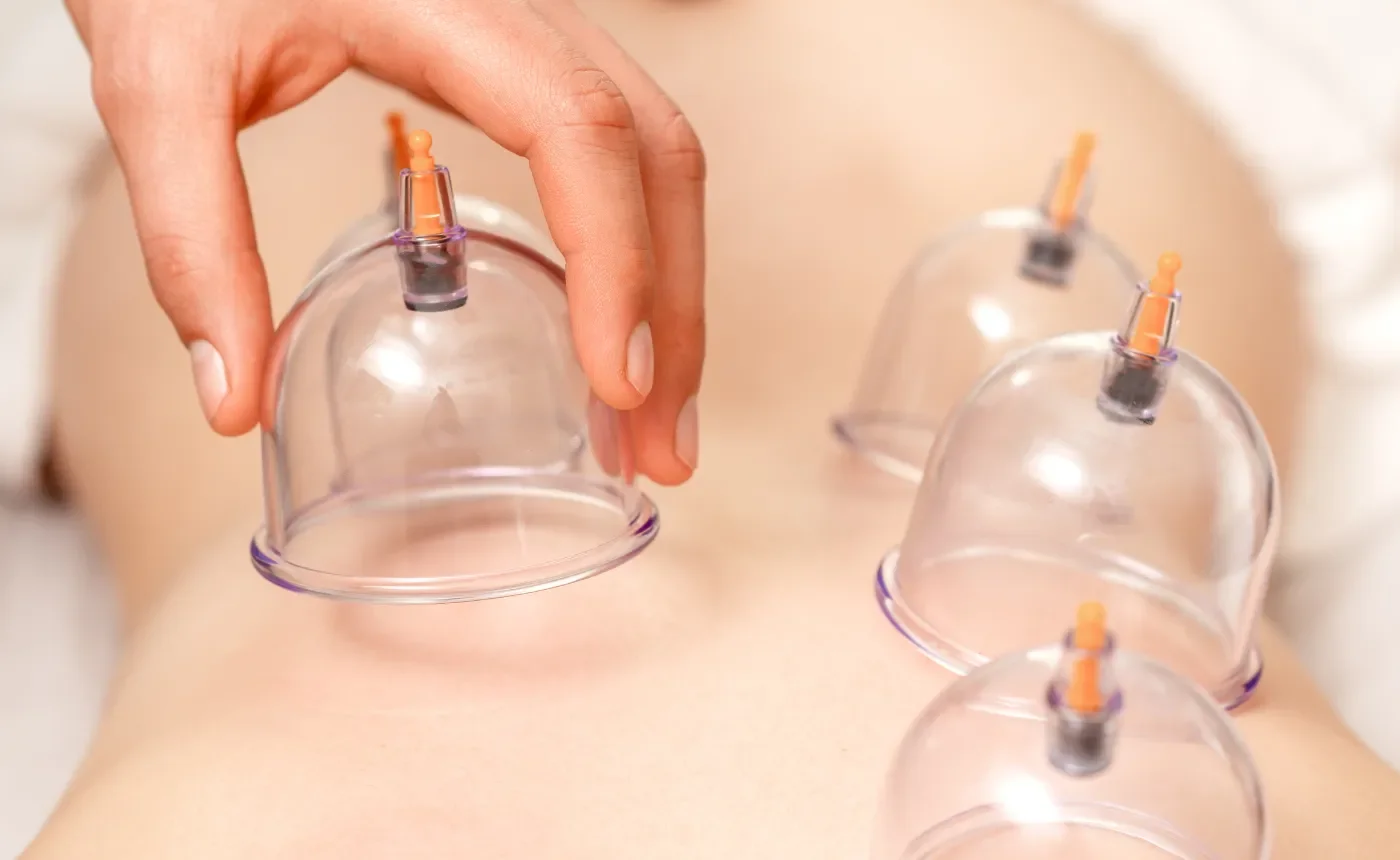
How Cupping Affects Circulation and Muscle Recovery
Cupping therapy is a traditional healing technique increasingly used by athletes and wellness practitioners to support circulation and muscle recovery. By creating gentle suction on the skin, cupping helps stimulate blood flow, release tight fascia, and reduce muscle tension. This process may accelerate recovery, decrease soreness, and improve mobility—making cupping a valuable complementary therapy for active individuals and those managing chronic muscle discomfort.
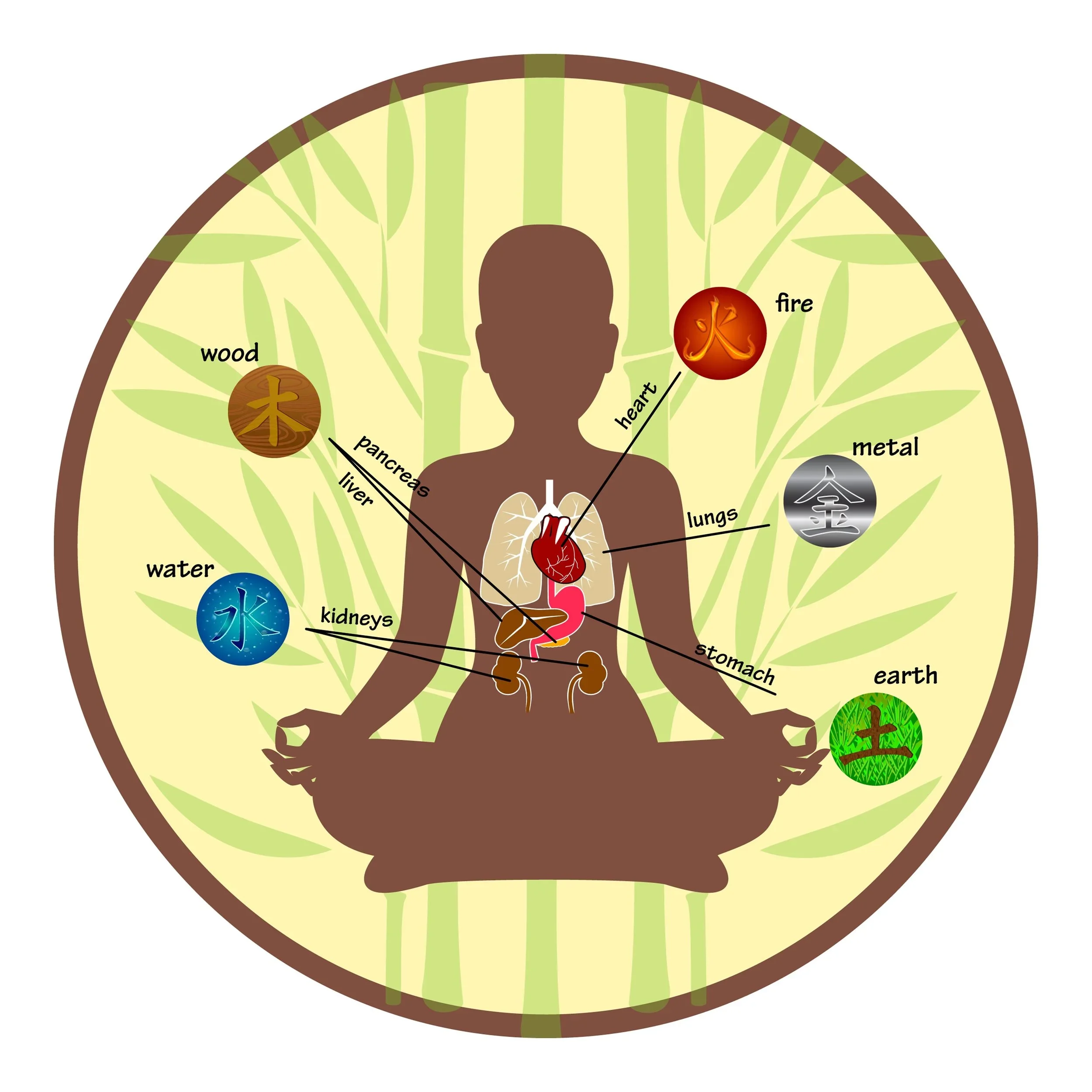
What are the 5 Elements in Chinese Medicine, and How Do They Impact Your Health?
The Five Elements—Wood, Fire, Earth, Metal, and Water—form the foundation of Traditional Chinese Medicine (TCM). Each element corresponds to specific organs, emotions, seasons, and physical functions. When these elements are balanced, the body thrives; when one is deficient or excessive, symptoms can arise. This article explains how the Five Elements shape your physical and emotional health, how imbalances develop, and practical ways to restore harmony.
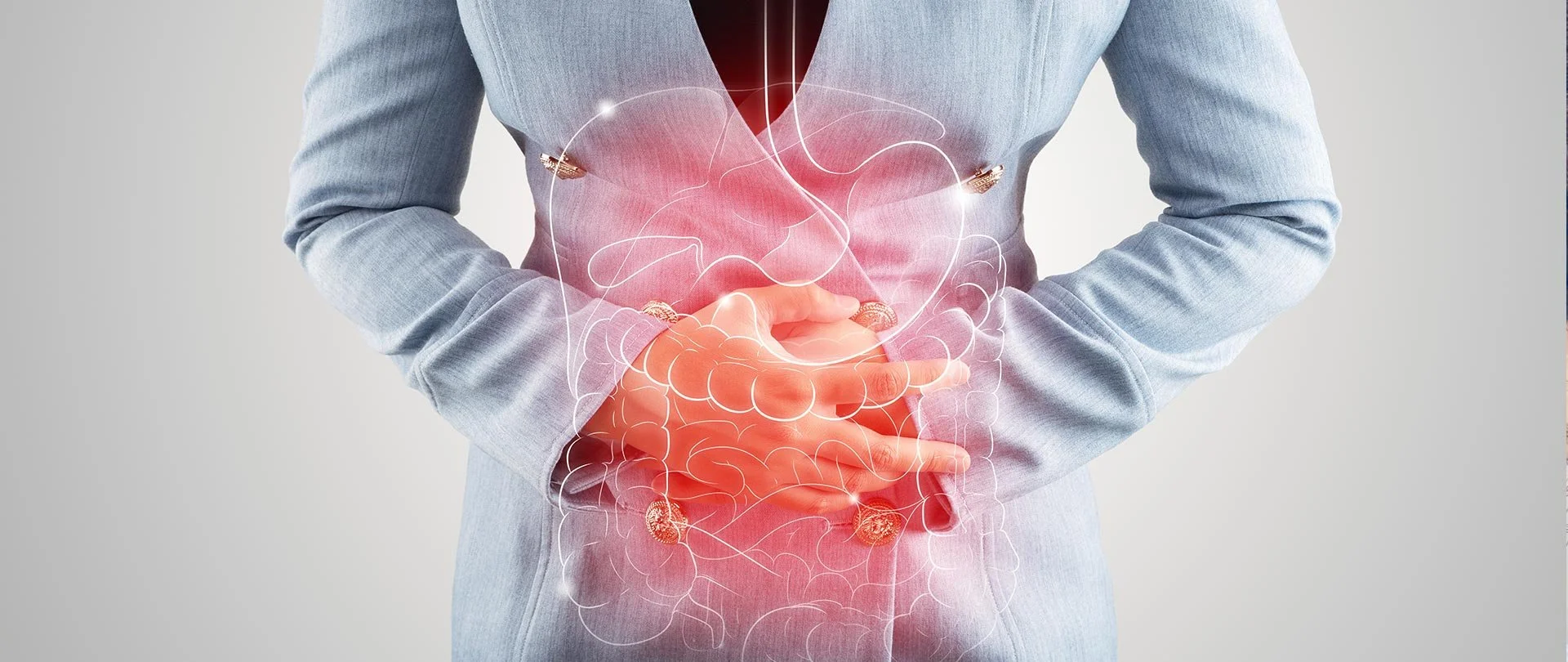
Chinese Medicine for IBS and Digestive Discomfort
Irritable Bowel Syndrome (IBS) often involves bloating, cramps, irregular bowel movements, and stress-related digestive flare-ups. Traditional Chinese Medicine (TCM) takes a personalised, root-cause approach—focusing on organ systems like the Spleen, Liver, and Gut to restore balance. Through acupuncture, herbal formulas, dietary therapy, and stress regulation, Chinese medicine may help ease digestive discomfort and support long-term gut health.
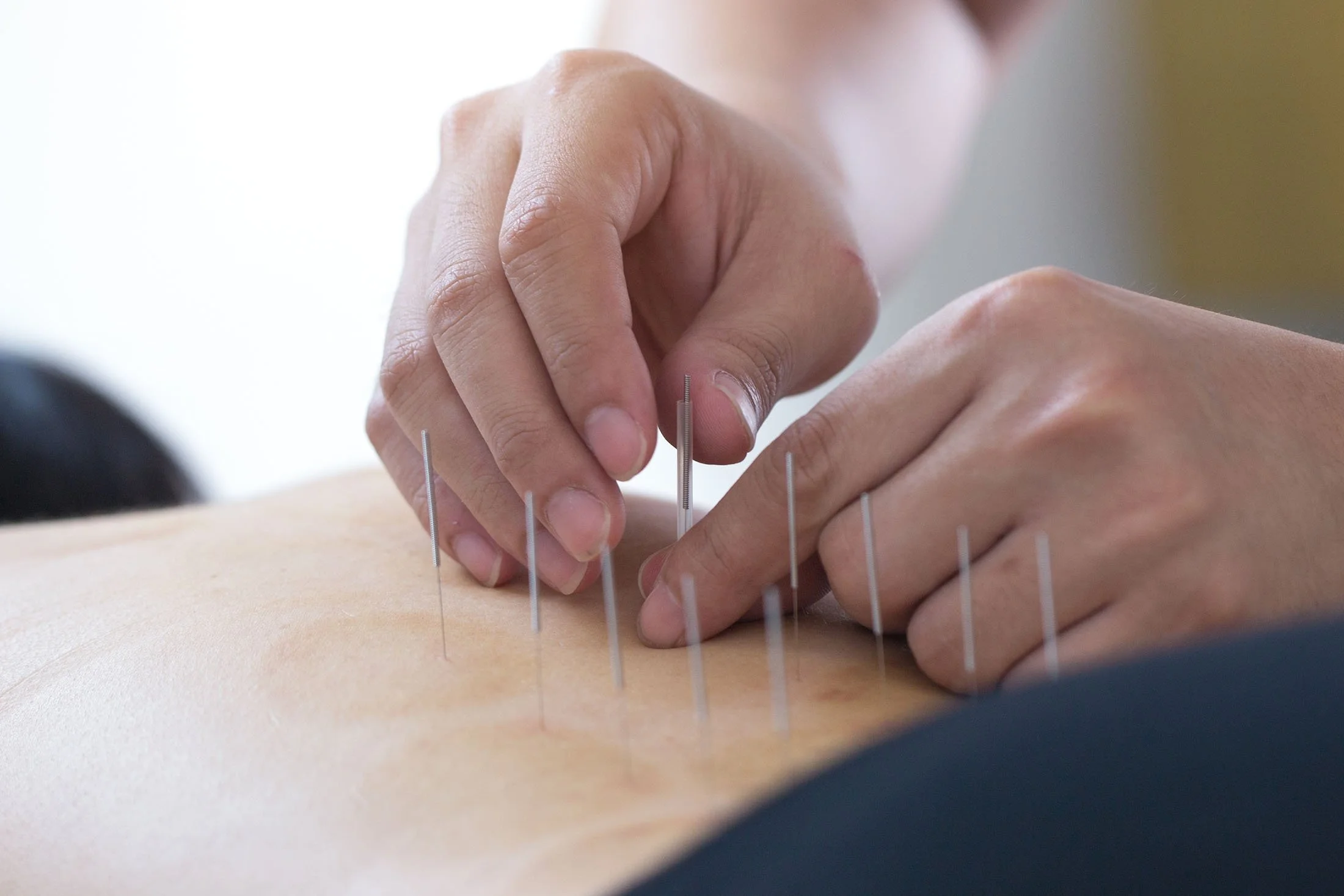
How Acupuncture Can Support Smoking Cessation
Quitting smoking is as much a mental challenge as a physical one. Acupuncture offers a holistic approach to smoking cessation by targeting stress, cravings, and nicotine withdrawal symptoms. Rooted in Traditional Chinese Medicine (TCM), acupuncture works to rebalance the nervous system, support dopamine regulation, and reduce habitual urges. This article explores how acupuncture may complement smoking cessation efforts and why many people turn to it as a natural, supportive therapy.
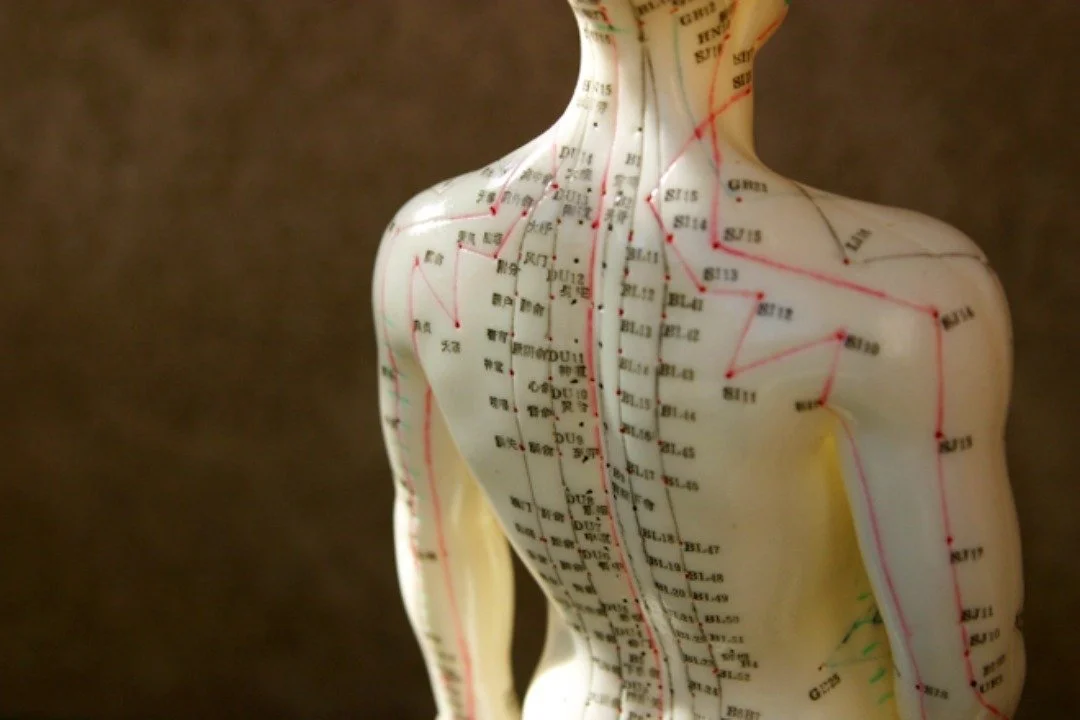
What Is the Role of Qi in Pain Relief and How Does It Work?
In Traditional Chinese Medicine (TCM), pain is often seen as a sign of blocked or stagnant Qi. When Qi flows freely through the body’s meridians, tissues are nourished and movement is pain-free. Acupuncture, cupping, herbal medicine, and breathwork aim to restore this flow—reducing inflammation, calming the nervous system, and supporting the body’s natural healing response. This article explores what Qi is, how it influences pain perception, and why improving Qi circulation may offer effective, holistic pain relief.

How Can Chinese Medicine Help Improve Skin Health and Treat Acne Naturally?
Chinese medicine views acne as a reflection of internal imbalance rather than a surface-level skin issue. By addressing root causes such as inflammation, hormonal shifts, digestive health, and stress, traditional Chinese medicine (TCM) supports long-term skin healing. Through acupuncture, herbal formulas, dietary guidance, and lifestyle changes, TCM offers a natural approach to clearer, healthier skin.

How Can Cupping Help with Jaw Tension and TMJ Relief ?
Jaw tension and TMJ discomfort are often linked to muscle tightness, stress, and poor circulation. Cupping therapy—used in traditional Chinese medicine—helps release deep muscle tension, improve blood flow, and calm the nervous system. When combined with acupuncture and lifestyle care, cupping may provide effective, drug-free relief for jaw pain and TMJ symptoms.

The Role of the Spleen in Digestion (TCM Perspective)
In traditional Chinese medicine (TCM), the spleen plays a central role in digestion, energy production, and nutrient absorption. Unlike the Western anatomical spleen, the TCM spleen governs how food is transformed into Qi and blood. When spleen function is weak, symptoms such as bloating, fatigue, loose stools, and brain fog may appear. This article explores the spleen’s digestive role, emotional connections, and how TCM supports optimal gut health.
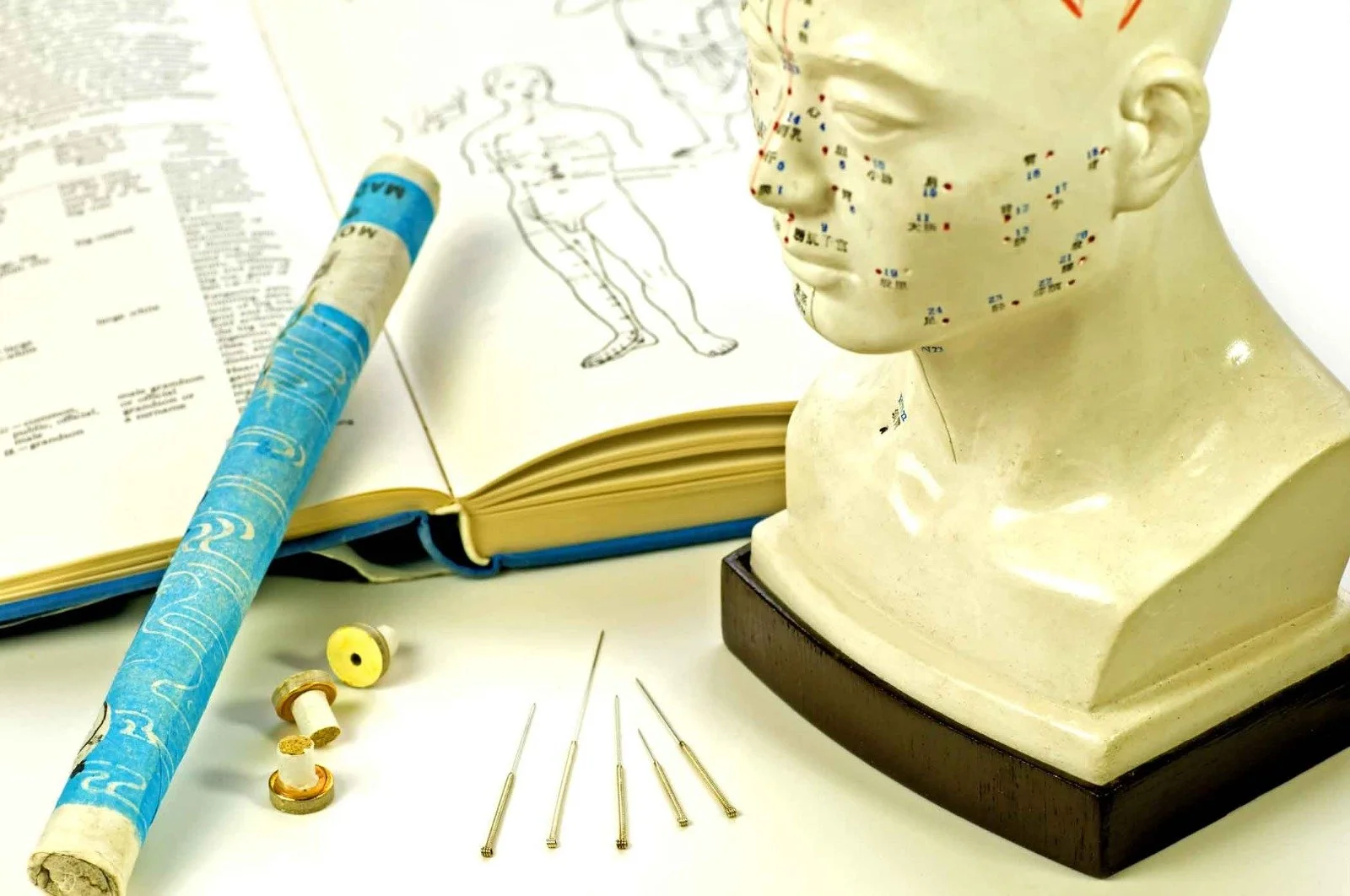
Understanding Dampness in the Body: A TCM Explanation
In traditional Chinese medicine (TCM), dampness is a common internal imbalance that can affect digestion, energy levels, skin, and joint health. Unlike Western diagnoses, dampness describes a pattern of excess fluid and sluggish energy that disrupts the body’s natural balance. This guide explains what dampness means in TCM, how to recognize the signs, and the dietary and lifestyle strategies used to resolve it.

Can Acupuncture Help with Long COVID Symptoms?
Long COVID can leave people struggling with fatigue, brain fog, breathlessness, and nervous system dysfunction long after infection. While conventional treatments focus on symptom management, acupuncture and traditional Chinese medicine (TCM) take a whole-body approach—supporting immune recovery, regulating inflammation, and restoring energy balance. This article explores what current research and clinical experience suggest about acupuncture’s role in long COVID recovery.

Stress, Cortisol, and Acupuncture: How Chinese Medicine Can Help You Reclaim Calm
Chronic stress disrupts cortisol levels and keeps the nervous system stuck in survival mode. Traditional Chinese medicine offers a holistic solution by addressing the root causes of stress rather than masking symptoms. Through acupuncture, herbal therapy, and nervous system regulation, Chinese medicine helps calm the mind, balance hormones, and restore the body’s natural stress response—without reliance on medication.

Sleep and Chinese Medicine: A Non-Melatonin Approach
Traditional Chinese medicine (TCM) views sleep issues as signs of internal imbalance rather than a lack of melatonin. Instead of forcing sleep, TCM focuses on restoring harmony between the heart, liver, and nervous system. Through herbal medicine, acupuncture, lifestyle adjustments, and body-clock awareness, Chinese medicine offers a natural, non-melatonin approach to deeper, more restorative sleep.
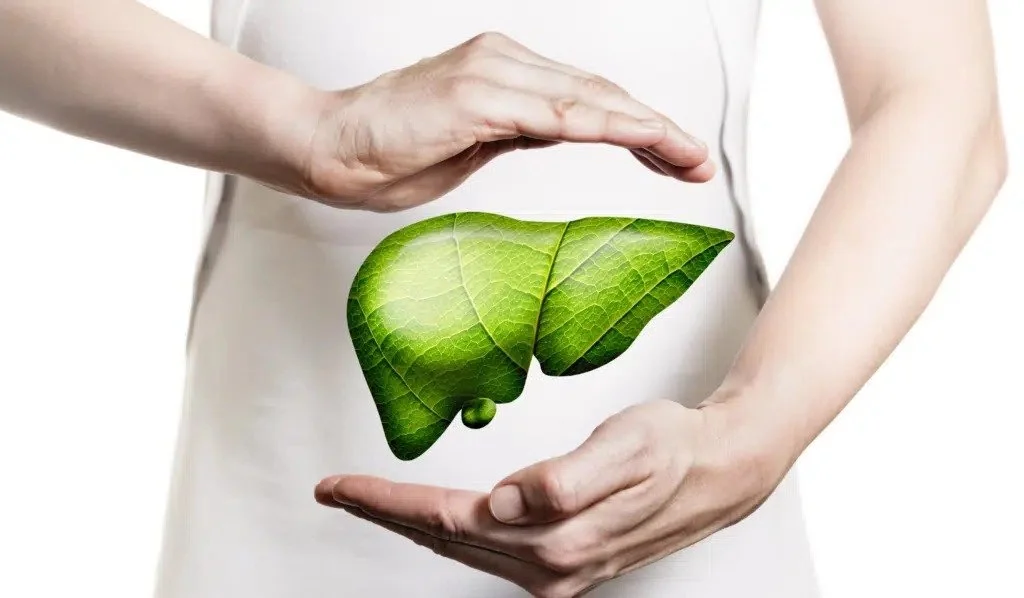
The Liver in Chinese Medicine: It's More Than Detox
In traditional Chinese medicine (TCM), the liver is far more than a detox organ—it plays a central role in emotional balance, energy flow, and overall vitality. Associated with the smooth movement of Qi and blood, the liver influences digestion, stress levels, hormonal health, and mood. In this guide, we explore the deeper meaning of the liver in Chinese medicine, its emotional connections, and how TCM approaches liver health holistically.
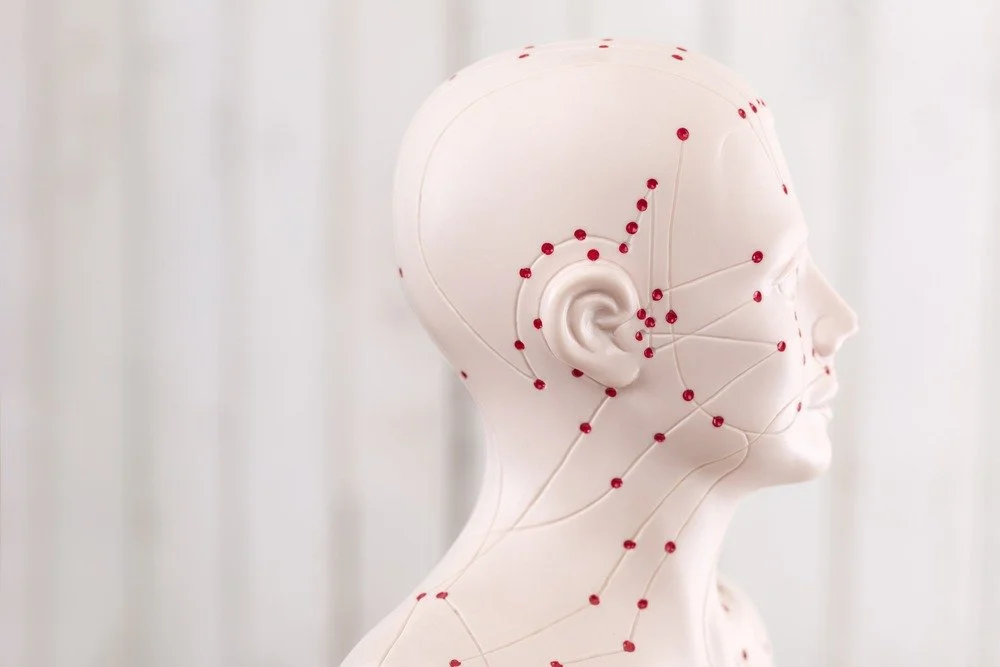
The Kidney Meridian in Chinese Medicine
In traditional Chinese medicine, the Kidney Meridian is considered the foundation of vitality, longevity, and overall health. Closely linked to energy reserves, hormonal balance, and aging, this meridian plays a vital role in both physical and emotional well-being. In this guide, we explore the Kidney Meridian in Chinese medicine, including its pathway, functions, signs of imbalance, and how supporting it may enhance energy, resilience, and long-term health.